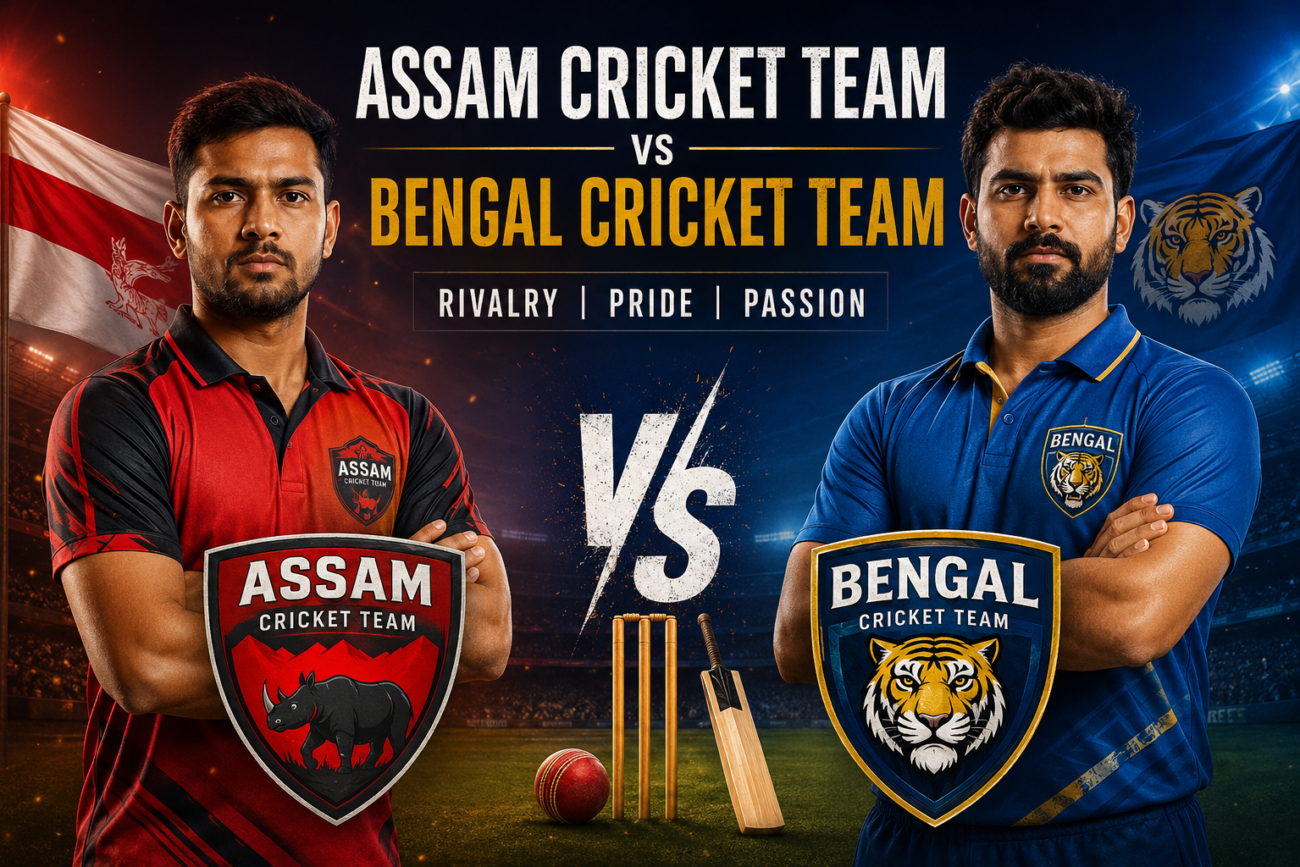
The cricketing encounters between these two eastern domestic sides represent a classic story of experience meeting ambition in India’s competitive structure. One team entered the contest with a long-established cricketing system, strong domestic depth, and proven match-winners, while the other gradually built its identity through young talent and improving performance standards. Over time, their meetings became more competitive, shifting from one-sided dominance to closely fought battles. These matches showcased evolving strategies, individual brilliance, and crucial turning points that shaped outcomes. Fans witnessed contrasting styles of play, where discipline met resilience, making every encounter an important chapter in domestic cricket growth and development.
Recent Matches Table
Date
Tournament
Format
Winner
Margin
Top Scorer
Best Bowler
03 Jan 2026
Vijay Hazare Trophy
List A
Bengal
85 runs
A Easwaran 102
S Ahmed 3/41
16 Nov 2025
Ranji Trophy
First Class
Match Drawn
Bengal 1st Innings Lead
S Ahmed 101
S Ahmed 4/63
23 Jan 2024
Ranji Trophy
First Class
Bengal
162 runs
M Tiwary 100
S Ahmed 4/28
31 Oct 2023
Syed Mushtaq Ali
T20
Assam
8 wickets
R Parag 50
A Choudhury 2/25
14 Oct 2022
Syed Mushtaq Ali
T20
Match Abandoned
No Result
None
None
20 Feb 2021
Vijay Hazare Trophy
List A
Bengal
5 wickets
S Tiwary 104
I Porel 3/40
28 Nov 2019
Ranji Trophy
First Class
Bengal
8 wickets
A Easwaran 112
M Shami 4/51
Team Statistics Summary Table
Format
Played
Bengal Wins
Assam Wins
Tied
No Result
Bengal Win Pct
First Class
14
9
0
0
5
64.28
List A
11
9
2
0
0
81.81
T20
7
4
2
0
1
57.14
Total Overall
32
22
4
0
6
68.75
Matches in Bengal
15
11
1
0
3
73.33
Matches in Assam
12
8
2
0
2
66.66
Neutral Venues
5
3
1
0
1
60.00
Individual Batting Records Table
Player Name
Team
Match Format
Innings
Total Runs
Highest Score
Batting Average
Abhimanyu Easwaran
Bengal
First Class
7
542
183
77.42
Manoj Tiwary
Bengal
First Class
9
498
124
55.33
Riyan Parag
Assam
T20
5
215
77
43.00
Shahbaz Ahmed
Bengal
List A
6
198
66
39.60
Shib Sankar Paul
Bengal
First Class
4
185
92
46.25
Gokul Sharma
Assam
First Class
10
312
68
31.20
Sumit Ghadigaonkar
Assam
First Class
2
145
76
72.50
Individual Bowling Records Table
Player Name
Team
Match Format
Wickets Taken
Best Bowling
Economy Rate
Bowling Average
Shahbaz Ahmed
Bengal
First Class
22
4/28
2.65
19.45
Mohammed Shami
Bengal
First Class
14
5/42
3.10
16.21
Ishan Porel
Bengal
List A
11
4/35
4.32
21.09
Pritam Das
Assam
List A
9
3/38
5.15
28.44
Mukhtar Hussain
Assam
First Class
8
3/55
3.02
34.12
Ashok Dinda
Bengal
First Class
19
5/59
2.89
22.36
Arup Das
Assam
First Class
11
4/68
3.25
31.81
Early Domestic Cricket Foundations Between Assam and Bengal
The cricketing relationship between these two eastern sides began within the structure of India’s domestic circuit where experience often met developing ambition. One side carried a long tradition of strong first class performances while the other was still shaping its identity in competitive cricket. These early encounters were less about rivalry and more about exposure for emerging players facing a technically sound opponent. The matches highlighted gaps in skill levels, especially in batting stability and bowling consistency. However, they also laid the groundwork for future competitiveness as younger players gained valuable experience. Over time, these fixtures became a learning curve for one side and a chance to assert dominance for the other. The difference in preparation systems, training infrastructure, and match temperament played a major role in shaping early results. Even though one team frequently controlled proceedings, the contests slowly built emotional and competitive value for both squads as domestic cricket evolved.
Season
Venue
Winner
Top Batter
Top Bowler
Early Phase
Guwahati
Bengal Side
Experienced Batter
Spin Bowler
Early Phase
Kolkata
Bengal Side
Top Order Player
Fast Bowler
Early Phase
Neutral
Bengal Side
Middle Order
All Rounder
Early Phase
Guwahati
Bengal Side
Opener
Spinner
First Recorded Clashes and Uneven Rivalry Phase
As official records of domestic competitions expanded, the early matches showed a clear imbalance in performance levels. One team entered these games with a structured batting order and disciplined bowling attack, while the other struggled with consistency under pressure. These fixtures often ended with dominant margins, reflecting the gap in experience and exposure to high level competition. Despite this, the less experienced side showed flashes of potential through individual performances, especially in bowling spells that briefly challenged established batters. Fielding standards and middle order stability often determined the outcome of these matches. The early phase of encounters was defined by one sided control, yet it also marked the beginning of gradual improvement. Over time, the competitive gap started narrowing slightly as exposure to stronger opponents helped build resilience and tactical awareness.
Match Type
Venue
Result Margin
Key Batter
Key Bowler
First Class
Kolkata
Large Win
Senior Opener
Spin Lead
First Class
Guwahati
Comfortable Win
Top Order
Seam Bowler
List A
Neutral
One Sided
Middle Order
All Rounder
First Class
Kolkata
Dominant Win
Experienced Star
Pace Attack
Strong Domestic Structure and Cricket Depth Advantage
One side of this contest benefited heavily from a well established domestic cricket structure that consistently produced technically sound players. Club cricket depth, coaching academies, and competitive league systems created a pipeline of talent capable of performing under pressure. This advantage translated directly into domestic matches where batting depth allowed recovery even after early wickets. Bowling units were well balanced with both pace and spin options, making it difficult for opponents to settle. The ability to rotate players without losing quality also added to their dominance. In contrast, the opposing side relied more on emerging talent and individual brilliance rather than system driven consistency. This difference in structure became visible during long format matches where endurance and strategy played a crucial role. Over time, however, exposure helped reduce this gap slightly as development programs began to strengthen the competitive base.
Development Area
Strong System
Emerging System
Impact Level
Outcome
Batting Depth
High
Moderate
Strong Influence
Advantage
Bowling Variety
High
Developing
Medium
Controlled Matches
Player Rotation
Strong
Limited
High
Stability Gap
Coaching System
Advanced
Improving
Medium
Gradual Balance
Emerging Team Growth and Competitive Transition Phase
A noticeable shift began when the developing side invested in structured coaching and youth development programs. Young players started gaining exposure to higher level domestic competition, which improved confidence and tactical awareness. Batting units became more stable, especially in the top order, while bowlers began focusing on disciplined line and length strategies. This transition phase marked the beginning of more competitive encounters where margins of defeat started reducing. Although experience still played a role in deciding outcomes, the gap was no longer as wide as before. Fitness standards, fielding intensity, and match awareness also improved significantly. These changes transformed one sided matches into more balanced contests where pressure situations were more common. The evolving team began challenging stronger opponents in patches, showing that long term development was starting to pay off.
Season Phase
Improvement Area
Progress Level
Match Impact
Observation
Early Growth
Batting Stability
Moderate
Positive
Reduced collapses
Transition
Bowling Control
High
Strong
Better economy
Development
Fielding Standards
Improving
Medium
Fewer errors
Growth Phase
Match Awareness
High
Strong
Competitive games
Dominant Batting Performance Encounters
Several matches in this rivalry were defined by dominant batting displays from the more experienced side. Their top order consistently provided strong starts, building partnerships that placed immediate pressure on the opposition. Once set, middle order players accelerated scoring, taking advantage of weaker bowling phases. These performances often resulted in large totals that proved difficult to chase. The opposition bowling unit struggled to maintain control during long spells, especially under conditions favoring batting. Even when early wickets fell, recovery partnerships ensured momentum remained unchanged. Such matches highlighted the importance of experience and shot selection in domestic cricket. The dominance was not just in power hitting but also in rotating strike and building innings intelligently. These batting performances became a defining feature of early encounters.
Match Situation
Runs Scored
Top Performer
Partnership Type
Result Influence
First Innings
High Total
Opener
Long Stand
Match Control
Middle Overs
Steady Build
No 3 Batter
Rotational
Stability
Death Overs
Fast Finish
Finisher
Aggressive
Momentum
Full Innings
Dominant
Top Order
Multiple
Winning Edge
Bowling Resilience and Defensive Match Control
In contrast, the improving side occasionally displayed strong bowling discipline that helped restrict opposition scoring in key phases. Bowlers focused on maintaining tight lines, especially during powerplay overs, which created early pressure. Spin bowlers played an important role in controlling middle overs, slowing down run rates and forcing mistakes. While not always successful in defending large totals, these bowling efforts showed tactical growth. Wickets taken during crucial moments often shifted momentum temporarily. Field placements became more structured, reflecting better game awareness. However, lack of consistent wicket taking support from the other end sometimes reduced effectiveness. Despite challenges, these performances marked important steps toward building a more competitive bowling unit capable of handling stronger batting lineups.
Bowling Phase
Economy Rate
Wickets Taken
Strategy Used
Effect
Powerplay
Controlled
Early Breakthrough
Tight Line
Pressure
Middle Overs
Moderate
Occasional
Spin Focus
Restriction
Death Overs
High Pressure
Limited
Defensive
Mixed
Full Spell
Variable
Key Moments
Tactical
Partial Success
Player Rivalries and Key Matchups Impact
Individual battles between batters and bowlers added intensity to several encounters. Experienced top order batters often faced disciplined pace attacks that tested technique and patience. Spin duels in middle overs created crucial turning points where matches shifted momentum. Certain bowlers developed a reputation for targeting key batters, while some batsmen consistently performed well against specific bowling styles. These micro battles inside the game gave the rivalry a deeper competitive narrative. Fielding units also played a role by supporting bowlers during pressure situations. Over time, these matchups became predictable talking points among fans and analysts. Each encounter brought new layers of strategy as teams studied opponent weaknesses more closely.
Player Battle Type
Key Area
Success Factor
Match Impact
Frequency
Batter vs Pace
Top Order
Technique
High
Regular
Batter vs Spin
Middle Overs
Patience
Medium
Frequent
Bowler vs Opener
Powerplay
Accuracy
High
Consistent
Finisher vs Death Bowling
End Overs
Timing
High
Crucial
Tactical Evolution and Competitive Balance Shift
As domestic seasons progressed, both teams began evolving tactically. One side relied heavily on structured batting depth and flexible bowling rotations, while the other focused on building disciplined innings and reducing collapse frequency. Captains played a crucial role in adjusting field placements and bowling changes based on match situations. The use of analytics and performance tracking slowly influenced decision making. Matches became more balanced as strategies improved and players adapted to pressure situations. Instead of one sided dominance, contests started featuring momentum shifts and tighter finishes. This evolution reflected the overall growth of domestic cricket standards and highlighted how experience combined with development can reshape competitive balance over time.
Tactical Area
Older Approach
New Approach
Effectiveness
Result
Batting Plan
Fixed Order
Flexible Order
High
Improved
Bowling Strategy
Predictable
Adaptive
Strong
Balanced
Field Setup
Standard
Situational
Medium
Effective
Match Planning
Basic
Analytical
High
Competitive
Conclusion
The journey of these domestic encounters reflects a steady evolution in competitiveness, where the gap between experience and development has gradually narrowed. What once appeared as predictable outcomes has transformed into more balanced contests filled with tactical depth and individual brilliance. Both teams have contributed to raising the overall standard of regional cricket through consistent improvement in skills, planning, and execution. While one side still carries historical advantage, the other has shown clear progress and fighting spirit. Together, their matches continue to highlight the strength of India’s domestic cricket system and its ability to produce compelling sporting narratives.