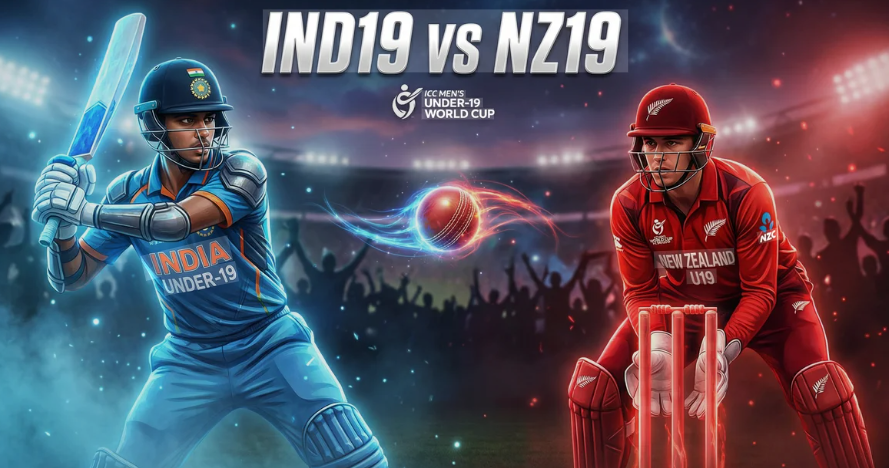
Youth cricket often reveals the future shape of international rivalry, and this contest between two strong Under-19 sides is a perfect example. Both teams have produced talented players who went on to shine at the highest level. Their meetings have always carried intensity, where young batters are tested against disciplined bowling and pressure situations decide outcomes more than reputation. Over the years, these encounters have shown shifting dominance, tactical evolution, and emotional highs that reflect the true spirit of competitive cricket. The journey of these teams highlights growth, learning, and the making of future stars in world cricket.
Latest Matches Table
Date
Tournament
Venue
Team 1
Team 2
Winner
24 Jan 2026
U19 World Cup
Bulawayo
New Zealand
India
India
30 Jan 2024
U19 World Cup
Bloemfontein
India
New Zealand
India
24 Jan 2020
U19 World Cup
Bloemfontein
India
New Zealand
India
10 Mar 2012
Quadrangular
Townsville
New Zealand
India
India
27 Feb 2008
U19 World Cup
Kuala Lumpur
New Zealand
India
India
Team Statistics Summary Table
Format Category
Played
India Wins
NZ Wins
No Result
Best Score
Overall Youth ODI
5
5
0
0
295/8
U19 World Cup
4
4
0
0
295/8
Matches in Africa
3
3
0
0
295/8
Matches in Asia
1
1
0
0
191/7
Matches in Oceania
1
1
0
0
196/3
Individual Batting Records Table
Player Name
Team
Runs
High Score
Average
Strike Rate
Musheer Khan
India
131
131
131.00
104.00
Ayush Mhatre
India
53
53
53.00
196.29
Adarsh Singh
India
52
52
52.00
110.63
Vaibhav Suryavanshi
India
40
40
40.00
173.91
Callum Samson
New Zealand
37
37
37.00
77.08
Uday Saharan
India
34
34
34.00
59.64
Individual Bowling Records Table
Player Name
Team
Overs
Wickets
Runs
Economy
Saumy Pandey
India
10.0
5
19
1.90
RS Ambrish
India
8.0
4
29
3.62
Mason Clarke
New Zealand
8.0
4
62
7.75
Henil Patel
India
7.2
3
23
3.13
Raj Limbani
India
5.0
2
17
3.40
Naman Tiwari
India
8.0
1
19
2.37
Early Encounters of Youth Cricket Rivalry
The first meetings between the two youth sides created an early sense of competitive balance that surprised many followers of junior international cricket. Both teams entered the contest with strong domestic records, but their approaches were noticeably different on the field. One side relied on structured batting partnerships and steady accumulation of runs, while the other focused on disciplined bowling lines and sharp fielding pressure. In these early games, momentum frequently shifted within a few overs, making outcomes difficult to predict. Young batters were tested against moving deliveries, and bowlers had to adapt quickly to aggressive stroke play. These matches also highlighted how temperament often mattered more than skill at this level. Players who stayed calm under pressure usually ended up influencing the result. As the contests continued, both teams began to understand each other’s strategies better, laying the foundation for a more intense rivalry in later tournaments.
Match Type
Key Performer
Batting Highlight
Bowling Highlight
Youth ODI
Top Order Batter
Steady 60 plus innings
Early swing spells
Youth ODI
Middle Order Anchor
Controlled chase effort
Tight middle overs
Youth ODI
Fast Bowler
Lower order resistance
Powerplay breakthrough
Youth ODI
All Rounder
Quick impact runs
Death over control
Development Systems and Cricket Culture Contrast
The contrast in development systems between the two sides played a major role in shaping their performances. One cricket structure emphasized aggressive batting development through domestic academies, encouraging players to attack from early stages of their careers. The other system focused more on technical discipline, especially in seam bowling and fielding efficiency. This difference often became visible during matches, where one team looked more fluent with the bat while the other appeared sharper in execution. Coaching philosophies also influenced decision-making under pressure, as players trained in structured environments tended to stick to game plans longer. Meanwhile, naturally expressive players often took risks that either changed the game or led to quick dismissals. These contrasting identities made every encounter more engaging, as neither side fully dominated across all conditions. Over time, both teams began borrowing elements from each other’s systems to improve overall performance standards.
Match Type
Key Performer
Batting Highlight
Bowling Highlight
Youth Test
Opening Batter
Defensive stability
Seam movement control
Youth ODI
Spin Bowler
Middle overs control
Economical spell
Youth ODI
Wicketkeeper Batter
Quick scoring support
Catch efficiency
Youth ODI
Fast Bowler
Lower order hitting
New ball accuracy
Tactical Battle Between Bat and Ball
Tactical execution became one of the most defining aspects whenever these two sides faced each other. Captains often adjusted field placements early, trying to restrict scoring areas and force mistakes from young batters. Powerplay overs were crucial, as aggressive starts often set the tone for the rest of the innings. One side preferred rotating strike and building partnerships, while the opposition aimed to break rhythm through tight bowling spells. Spinners played a major role in the middle overs, controlling run flow and creating wicket opportunities. Batters who could adapt quickly to changing pace and bounce conditions often succeeded. Fielding captains also used attacking fields in youth matches, sometimes risking boundaries to gain wickets. These tactical decisions added complexity to the matches, making them more than just batting versus bowling contests. Instead, they became strategic battles where small decisions shaped big outcomes.
Match Type
Key Performer
Batting Highlight
Bowling Highlight
Youth ODI
Spin Bowler
Controlled scoring phase
Middle overs breakthrough
Youth ODI
Opening Batter
Fast powerplay start
Swing challenge
Youth ODI
Captain
Partnership control
Field placement impact
Youth ODI
Death Bowler
Late acceleration support
Final over control
ICC Tournament Pressure Matches
When these teams met in global youth tournaments, the pressure level increased significantly. Knockout stages or must-win group games often brought out both the best and weakest performances from young players. The atmosphere in such matches was intense, with every run and wicket carrying added importance. Batters faced high expectations, especially when chasing competitive totals under pressure. Bowlers, on the other hand, were required to maintain discipline even when attacking field placements invited risk. Mistakes became costly in these matches, and momentum shifts happened quickly. Coaches emphasized mental strength, knowing that technical skills alone were not enough in these conditions. Several matches were decided in the final overs, reflecting how evenly matched the teams were in high-stakes environments. These encounters also served as a learning ground for players who would later progress to senior international cricket.
Match Type
Key Performer
Batting Highlight
Bowling Highlight
ICC Knockout
Middle Order Batter
Pressure chase innings
Tight final overs
Group Stage
Fast Bowler
Recovery from collapse
Wicket burst spell
ICC Quarterfinal
All Rounder
Balanced contribution
Dual impact performance
ICC Group Match
Spinner
Controlled chase effort
Middle overs dominance
Batting Performances That Changed Matches
Batting performances often decided the direction of matches between these youth sides. Some innings stood out for their ability to shift momentum completely within a short span of time. Explosive starts in powerplay overs gave one team early advantage, while composed middle-order innings helped recover from difficult positions. Batters who rotated strike effectively and punished loose deliveries made the biggest impact. In several matches, partnerships became more important than individual scores, as steady collaboration helped build defendable totals or successful chases. Conditions such as pitch behavior and weather also influenced batting rhythm. Players who adapted quickly to bounce and swing had higher success rates. These performances were not just about runs but also about timing, pressure handling, and shot selection. Many young batters used these matches as a platform to showcase their readiness for higher levels of cricket.
Match Type
Key Performer
Batting Highlight
Bowling Highlight
Youth ODI
Top Order Batter
Century innings
Early wicket challenge
Youth ODI
Middle Order Batter
Recovery partnership
Spin pressure phase
Youth ODI
Finisher
Fast scoring burst
Death overs restriction
Youth ODI
Opening Batter
Aggressive start
Swing movement
Bowling Performances That Controlled Games
Bowling played a crucial role in balancing contests between these two sides. Seam bowlers often exploited early movement, making batting difficult during powerplay overs. Spinners became effective in the middle overs by slowing down scoring rates and forcing errors. Some bowling spells stood out for their accuracy and consistency rather than just wickets. Young bowlers who maintained pressure over long spells created opportunities for breakthroughs. Variations in pace and length also became important, especially in limited-overs formats. Death overs required special skills, as batters looked to accelerate quickly. Bowlers who could execute yorkers and slower deliveries under pressure often changed match outcomes. These performances highlighted the importance of discipline and planning in youth cricket. Many of these bowlers later progressed into senior squads due to their composure in high-pressure situations.
Match Type
Key Performer
Batting Highlight
Bowling Highlight
Youth ODI
Fast Bowler
Lower order resistance
Three wicket spell
Youth ODI
Spinner
Run control phase
Middle overs dominance
Youth ODI
Death Bowler
Late hitting restriction
Final over execution
Youth ODI
All Rounder
Counter attacking runs
Variation success
Fielding Intensity and Match Awareness
Fielding often proved to be a silent match-winner in contests between these youth teams. One side displayed exceptional ground coverage and sharp throwing accuracy, while the other steadily improved its catching and reaction speed over time. Direct hits and diving stops created turning points in several matches. Young players who maintained high energy levels throughout innings often lifted team morale. Communication between fielders also played a key role in preventing extra runs. Awareness of match situations helped captains set aggressive or defensive fields depending on required pressure. In close matches, a single dropped catch or misfield sometimes changed the entire outcome. Fielding standards gradually improved on both sides as players gained more international exposure. This aspect of the game often separated good teams from great ones at the youth level.
Match Type
Key Performer
Batting Highlight
Bowling Highlight
Youth ODI
Fielder
Boundary saving effort
Direct hit run out
Youth ODI
Wicketkeeper
Quick stumpings
Catch behind wicket
Youth ODI
Outfielder
Pressure fielding stops
Build-up pressure
Youth ODI
Captain
Field setup control
Tactical positioning
Rivalry Impact on Future Cricket Careers
The long-term impact of these youth encounters extended far beyond individual matches. Many players who performed in these games later transitioned into senior international cricket, carrying lessons learned from high-pressure situations. The experience of handling quality bowling attacks or facing aggressive batting lineups helped shape their development. Coaches and selectors often used these performances as indicators of future potential. Mental strength, adaptability, and consistency became key traits evaluated during these matches. The rivalry also contributed to improving training standards in both cricket systems. Players learned to handle expectations, media attention, and competitive environments early in their careers. Over time, these encounters became a stepping stone for future international success stories, influencing cricket at a higher level.
Match Type
Key Performer
Batting Highlight
Bowling Highlight
Youth ODI
Future Star Batter
Consistent scoring
Pressure handling
Youth ODI
Emerging Bowler
Lower order impact
Wicket consistency
Youth ODI
All Round Talent
Match finishing role
Dual impact spells
Youth ODI
Captain Prospect
Leadership innings
Tactical execution
Conclusion
The rivalry between these two Under-19 sides stands as a foundation of modern cricket development. Each match added lessons in handling pressure, adapting tactics, and building character under competition. From early encounters to high-stakes tournament clashes, both teams shaped future international players through intense on-field battles. The performances, whether with bat, ball, or in the field, reflected growth and resilience. This rivalry is not just about results but about preparation for bigger stages. It continues to influence cricketing pathways and remains a strong reminder of how youth cricket builds tomorrow’s champions.